
Ultimate Foundation Repair Products For Restoring Home Stability
Discover comprehensive repair options that help maintain and strengthen your home's foundation over time.
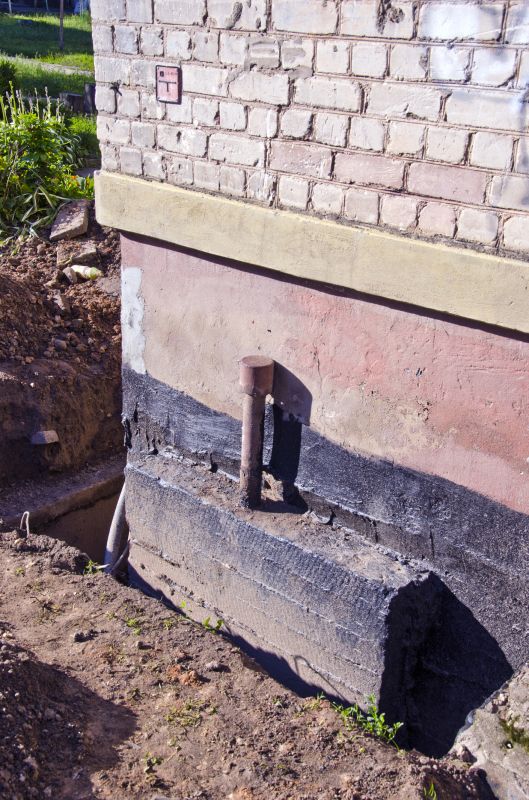 Foundation repairs are a critical aspect of maintaining the structural integrity of a building, especially in areas like Sandusky, Ohio, where soil conditions and weather patterns can impact the stability of structures. Selecting the right products for foundation repairs requires understanding the variety of solutions available, from simple underpinning materials to advanced stabilization systems. Properly chosen products can help address issues such as settling, cracking, or shifting foundations, ultimately protecting the longevity of a property.
Top Overall Option
Universal Foundation Stabilization System
This versatile system offers a comprehensive approach to foundation stabilization, combining adjustable piers, high-strength underpinning materials, and easy-to-install components. It is suitable for a variety of foundation types and soil conditions, providing a reliable solution for both minor and moderate issues. Its modular design allows for customization and expansion as needed, making it a practical choice for many repair scenarios.
Types of Products For Foundation Repairs
Concrete Push Piers
Used to lift and stabilize sinking foundations by transferring load to stable soil beneath the structure.
Helical Piers
Rotatable steel piers that can be installed in tight spaces and are suitable for various soil conditions.
Polyurethane Foam Injection
Expanding foam used to fill cracks and voids, providing stabilization and preventing further movement.
Epoxy Injection Kits
Designed to seal and reinforce cracks, restoring the integrity of the foundation walls.
Steel Hydraulic Jacks
Employ hydraulic pressure to lift and level uneven foundations during repair work.
Underpinning Beams
Reinforce and support existing foundation structures, often used in conjunction with piers.
Mudjacking / Slab Jacking
Raising sunken concrete slabs by pumping a slurry beneath them to restore levelness.
Carbon Fiber Reinforcement
Flexible strips bonded to crack surfaces to prevent further movement and strengthen walls.
Soil Stabilization Agents
Chemical solutions that improve soil bearing capacity and reduce settlement issues.
Foundation Repair Braces
Support braces that help reinforce walls and prevent lateral movement.
Drainage Systems
Proper drainage solutions to reduce water accumulation around foundations, minimizing soil erosion.
Vapor Barriers
Moisture barriers installed to control humidity and prevent water intrusion into foundation walls.
Sealants and Waterproof Coatings
Protect foundation surfaces from water penetration and weathering.
Foundation Anchors
Anchoring systems that stabilize walls and prevent shifting or bowing.
Pier and Beam Supports
Support systems designed specifically for pier and beam foundations to ensure stability.
Popular Choices
Widely used for foundation stabilization with proven versatility across different soil types.
Favored for their ease of installation and suitability for tight spaces and complex sites.
Commonly chosen for quick crack repairs and void filling in residential properties.
Popular for sealing cracks and restoring wall strength in a range of foundation types.
Frequently used for leveling concrete slabs with minimal disruption.
Trusted for their reliability in lifting and leveling uneven foundations during repairs.
Popular for crack reinforcement due to its flexibility and strength.
Often installed to help manage water flow and reduce foundation water issues.
Commonly used to prevent moisture issues in basements and crawl spaces.
Regularly applied to improve foundation durability and water resistance.
Selected for stabilizing bowing or shifting walls in various foundation types.
When considering foundation repair products, it is essential to evaluate the specific needs of the structure and the underlying soil conditions. Some products are designed for minor crack repairs, while others are suitable for more extensive stabilization efforts. The installation process, durability, and compatibility with existing foundation materials are also key factors to consider. Consulting with a foundation specialist can provide valuable insights into the most appropriate solutions for a given situation.
The range of products available includes various types of piers, underpinning systems, epoxy injections, and hydraulic jacks. Each product type serves a different purpose, whether lifting a sunken foundation, filling cracks, or reinforcing weak spots. Understanding these options helps homeowners and contractors make informed decisions that align with their repair goals and budget constraints. Proper product selection can contribute to a safer, more stable foundation that withstands future challenges.
In addition to the technical aspects, it is important to consider the ease of installation, the longevity of the materials, and the manufacturer's reputation. Reliable products often come with comprehensive instructions and support, ensuring that repairs are performed correctly and effectively. Regular maintenance and inspections can further extend the lifespan of foundation repair solutions, providing peace of mind for property owners in Sandusky and beyond.
Key Buying Considerations
- Assess the specific foundation issue to determine the appropriate product type.
- Consider the soil conditions and how they may influence product selection.
- Evaluate the load-bearing capacity needed for your foundation repair project.
- Check the compatibility of repair products with existing foundation materials.
- Review installation requirements and whether professional help is necessary.
- Prioritize products with proven durability and long-term performance.
- Consider the ease of future inspections and maintenance of the repair system.
- Determine the scope of repair needed—minor crack filling or major stabilization.
- Research manufacturer reputation and product warranties.
- Factor in your budget while balancing quality and effectiveness.
- Understand local building codes and regulations related to foundation repairs.
- Look for products that allow for adjustable or expandable solutions.
- Evaluate the environmental conditions, such as moisture levels, that may affect product performance.
- Consider the potential for future expansion or additional repairs.
- Consult with a foundation specialist for tailored recommendations.